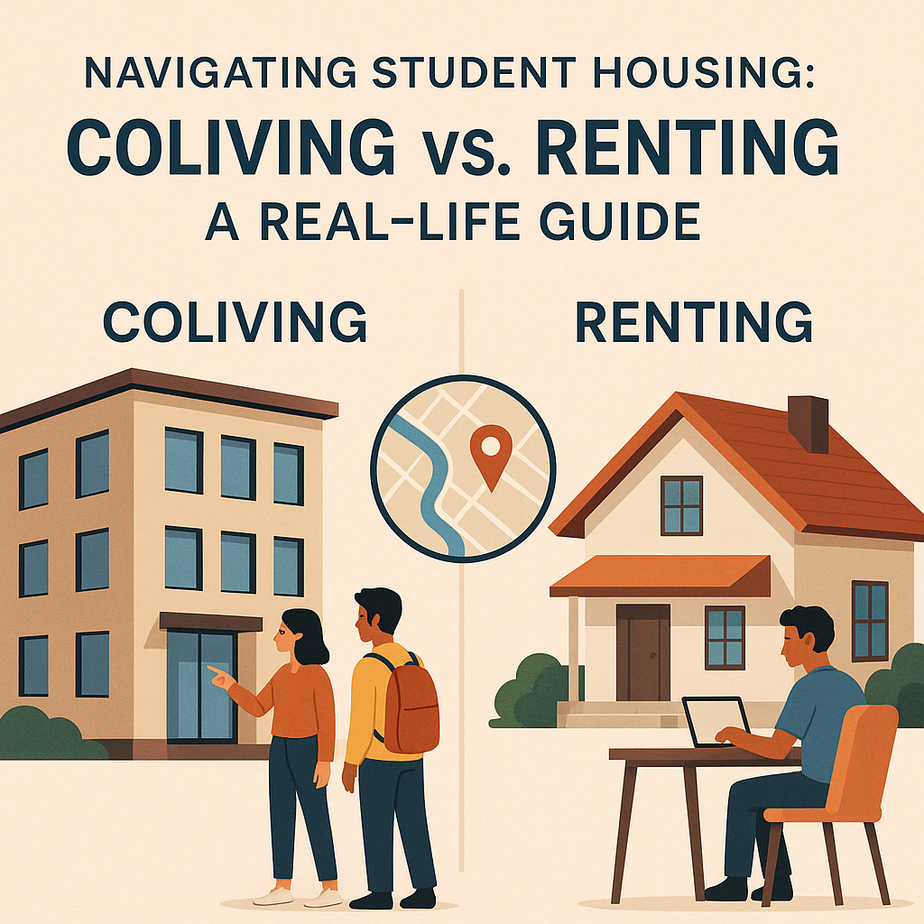
Coliving vs Renting for Students: Cost, Community & Considerations
Navigating Student Housing: Coliving vs. Renting – A Real-Life Guide
Okay, let’s be honest. Finding a place to live as a student is a whole other level of stress. You’re juggling classes, exams, potential part-time jobs, and trying to maintain some semblance of a social life. Throw in the complexities of housing – budgeting, leases, roommate drama – and it’s enough to make your head spin. I remember vividly my first year of university. I jumped at the first apartment I saw, ignoring the slightly sketchy landlord and the ‘quirky’ features (read: water stains and questionable wiring). Let’s just say I learned a valuable lesson about due diligence – and the importance of having an escape plan! Today, though, I’m going to break down two popular student housing options: coliving and traditional renting. We’ll dive into the costs, the community aspects, and all the considerations you need to make a smart choice.
What is Coliving? (And Why is it Trending?)
Coliving is a relatively new concept that’s been gaining serious traction, particularly amongst students and young professionals. Essentially, it’s shared accommodation, but with a modern twist. Think of it as a co-working space, but for living. You typically have your private bedroom, but you share common areas like the kitchen, living room, and sometimes even amenities like gyms, co-working spaces, or rooftop terraces. Coliving is designed to foster a sense of community and convenience. Many coliving companies handle everything from rent collection to cleaning, freeing you up to focus on your studies or career.
I first heard about coliving a few years ago when a friend started raving about his experience in a London coliving space. He talked about the ease of having utilities included, the built-in social network, and how much time he saved not having to worry about grocery shopping or cleaning. It sounded too good to be true – and honestly, a little intimidating! But the more I learned, the more intrigued I became.
Traditional Renting: The Classic Approach
Traditional renting, or just renting an apartment or house, is what most people think of when they hear “housing.” This involves finding a landlord or property management company, signing a lease, and being responsible for paying rent and utilities. You have more control over your living space and can usually decorate it to your liking. However, it also means more responsibility and potentially more upfront costs, like security deposits and first/last month’s rent.
Cost Breakdown: Coliving vs. Renting
Let’s get down to brass tacks – how much will each option actually set you back? This is where things can get tricky because costs vary wildly based on location, size, and amenities.
- Coliving: You’re usually looking at anything from $800 – $2500+ per month, depending on the city and the level of luxury. The beauty of coliving is that it often includes utilities (water, electricity, internet), furniture, and sometimes even cleaning services. This can simplify budgeting considerably.
- Traditional Renting: Rent alone can vary dramatically. In a college town, you might find a shared apartment for $500 – $1000 per person. However, don’t forget to factor in those extra costs! Utilities can easily add another $100 – $300+ per month, and you’ll likely need to buy furniture and appliances.
Pro Tip: Don’t forget to factor in moving costs, potential renter’s insurance, and parking fees (if applicable) in either case. A small budget for unexpected repairs or maintenance is always a good idea too.
The Community Factor: Do You Thrive or Prefer Solitude?
This is a *huge* differentiator. Coliving is *built* around community. You’re sharing common spaces with other people, and many coliving spaces organize social events and activities. This can be a fantastic way to make friends and build a support network, especially if you’re new to a city. If you’re an extrovert who loves meeting new people, coliving could be a perfect fit.
On the other hand, if you’re an introvert who values privacy and quiet time, traditional renting might be a better choice. You’ll have more control over your environment and won’t be subject to the constant buzz of a shared living space. I’ve seen both sides of this. During my graduate studies, I opted for a small, quiet apartment – precisely because I needed a zone to focus on my research. Coliving just wouldn’t have been conducive to that.
Lease Agreements & Flexibility
Lease agreements are another critical factor.
- Coliving: Coliving often offers more flexible lease terms, typically ranging from 3 to 6 months. This is ideal if you’re unsure about how long you’ll need housing or if you need the option to move quickly.
- Traditional Renting: Standard leases are usually for 12 months, which can be a commitment if your plans change. Breaking a lease can result in hefty penalties. As Lotlite Property highlights, understanding lease terms is crucial, particularly for first-time renters.
Location, Location, Location
Just like with any real estate decision, location is key. Consider proximity to your university or college, public transportation, and any amenities you frequent. Both coliving spaces and rental apartments can be found in a variety of locations, so it’s worth exploring your options.
Safety and Security
Safety is paramount. When evaluating either option, research the neighborhood and any security measures in place. Coliving spaces often have enhanced security features, such as keycard access and on-site staff. Thoroughly check property reviews and safety records before committing.
Lifestyle Considerations: Practicalities and Quirks
Let’s talk about the nitty-gritty. With coliving, you’re sharing common spaces, which means you need to be comfortable with the possibility of noise, different cleaning habits, and varying schedules. Good communication and a respectful attitude are essential. Renting, on the other hand, offers more independence and autonomy, but it also means you’re responsible for handling all the details yourself. Finding a great place depends on navigating an ever-changing market – which can be eased with tools like those discussed on Lotlite Property‘s article on AI and real estate.
Making the Right Choice: A Personalized Approach
There’s no one-size-fits-all answer when it comes to coliving vs. renting. The best choice depends on your individual needs, preferences, and budget. Here’s a quick recap to help you decide:
- Choose Coliving if:
- You’re looking for a sense of community.
- You appreciate convenience and low maintenance.
- You need flexible lease terms.
- You’re comfortable sharing common spaces.
- Choose Traditional Renting if:
- You value privacy and independence.
- You want more control over your living space.
- You’re willing to handle more responsibilities.
- You prefer a longer lease term.
Looking Ahead: Emerging Trends in Student Housing
The student housing market is constantly evolving. One significant trend is the increasing popularity of purpose-built student accommodation, which often combines the convenience of coliving with the privacy of individual apartments. Another trend is the integration of technology, like smart home devices and online community platforms, to enhance the living experience. As outlined in Lotlite Property’s insights, understanding these trends is key for both renters and investors. Looking at potentially booming areas is a good idea; as the analysis of Lotlite Property shows, some cities are poised for significant growth in the coming years.
Navigating the Financial Landscape: A Student’s Perspective
As a student, budget is almost always a major concern. Don’t be afraid to explore unconventional options or negotiate with landlords. Consider things like room sharing, subletting, or searching for student-specific discounts. You could also explore a rental market dynamic and see if it’s to your benefit to get an early lease.
My Personal Takeaway: Invest in Your Wellbeing
Ultimately, your living situation significantly impacts your overall wellbeing. Don’t rush into a decision! Spend time researching different options, visiting potential properties, and talking to current residents. Sharing your space with the right people, whether in a coliving environment or a traditional rental, can make all the difference in your student experience. Remember the water-stained apartment I mentioned earlier? That experience taught me the importance of prioritizing quality and safety over just a cheap price tag.
Finding Affordable Housing in Mumbai?
If you’re studying in Mumbai and struggling to find decent housing, Lotlite Property offers a comprehensive guide to affordable housing options in the city. Their insights can be a lifesaver for students on a budget.
Conclusion: Make an Informed Decision
Choosing between coliving and renting is a major decision. Carefully consider your budget, lifestyle, and priorities. Weigh the pros and cons of each option, and don’t be afraid to ask questions. Remember, your home is your sanctuary – make sure it’s a place where you can thrive and succeed. If you’re really feeling overwhelmed, consider consulting with a real estate professional; they can offer personalized guidance and help you navigate the market, especially if you’re contemplating a long-term real estate investment later on.
Ready to start your search? Browse listings on Lotlite Property today and find your perfect student haven!
- External Link 1: HUD Fair Housing – Information on housing rights and fair housing laws.
- External Link 2: Reserve Bank of India – Information on financial regulations impacting the real estate sector.
Leave a Reply