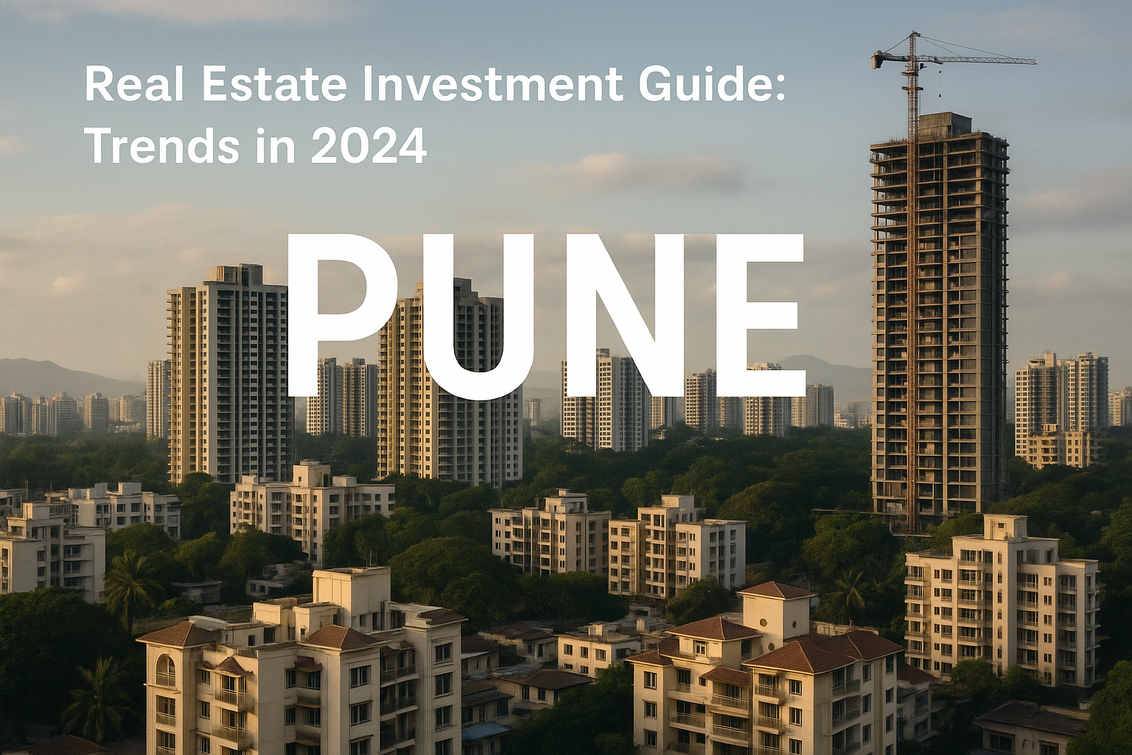
Pune Real Estate Investment Guide: Trends in 2024
Why Pune is a Smart Choice for Real Estate Investment in 2024
Let’s be honest, the world of real estate investment can feel a little overwhelming, right? So many opinions, so many market fluctuations… I remember when I was first considering buying my first apartment in Pune a few years back. I was drowning in information – should I buy? Rent? Where should I even *look*? Thankfully, after doing my research and speaking with some savvy local investors, I took the plunge and it’s been a fantastic decision. And that’s exactly what I want to share with you today: a guide to understanding the Pune real estate market and why 2024 might be one of the best years to jump in.
Pune’s Growing Importance: A City on the Rise
Pune isn’t just another Indian city—it’s a powerhouse. It’s consistently ranked among India’s most livable cities, and for good reason. We’re talking about a thriving IT sector, a booming manufacturing industry, world-class educational institutions (students flock here!), and a rich cultural heritage. This combination creates consistent demand for housing and commercial space, which is fuel for a solid real estate investment. The city’s strategic location, good infrastructure, and relatively stable political climate contribute to its appeal. It’s a place where people want to *live*, and that translates to opportunity for investors.
Understanding the Current Pune Real Estate Landscape
So, what’s the state of play right now? The Pune real estate market has shown remarkable resilience, rebounding strongly from the pandemic-induced slowdown. While initial growth was fueled by pent-up demand, the market is now sustained by genuine economic activity. The Reserve Bank of India’s (RBI) monetary policy is a key factor to watch, as interest rate changes can significantly impact affordability and investment decisions. Keep an eye on the RBI’s website for the latest updates.
Key Trends Shaping the Market
- Rising Property Values: Overall, property prices in Pune have been steadily increasing. However, the rate of appreciation differs considerably between micro-markets (more on that later).
- Increased Demand for Affordable Housing: As Pune’s population grows, so does the need for budget-friendly housing options. Developers are responding with more projects focused on this segment.
- Premium Properties and Luxury Living: Simultaneously, there’s a burgeoning demand for high-end residences and luxury apartments, particularly amongst high-net-worth individuals and NRIs.
- Emphasis on Sustainability: Green buildings and eco-friendly features are becoming increasingly important to homebuyers, impacting project designs and investment strategies.
- Technology Integration: From online property portals to virtual tours, technology is changing how people buy, sell, and manage real estate. AI and other technologies are making the process more efficient and transparent.
Hotspots to Watch: Identifying Emerging Investment Opportunities
Okay, so Pune is an attractive market, but *where* should you invest? It’s not about blindly chasing the newest development; it’s about understanding where growth is happening and where it’s likely to continue. Here are some of the fastest-growing areas in and around Pune, perfect for savvy real estate investment:
Prime Locations & Why They’re Hot
- Hinjewadi: Still a dominant force, driven by a vast IT park. Expect continued demand for rental properties.
- Wagholi: Rapidly developing suburb with good connectivity. Offers a mix of affordable and mid-range housing options.
- Undri: Emerging residential area with substantial growth potential due to its proximity to key industrial zones.
- Baner & Balewadi: Established, well-connected areas, popular among students and young professionals. Premium properties command high valuations.
- Hadapsar: Industrial hub with rising residential demand. Good for both rental income and capital appreciation.
- Maan: A relatively newer area offering competitive pricing and good connectivity.
My friend, Rohan, recently invested in a studio apartment in Wagholi. He was initially hesitant, but after analyzing the rental yields and the area’s growth trajectory, he made a smart move. It’s now consistently generating a good return and he’s seen significant appreciation in the property value. This story really energized me to share these insights!
Residential vs. Commercial: Which Investment Path is Right for You?
Deciding between residential and commercial real estate investment is a fundamental choice. Both offer unique advantages and disadvantages.
Residential Investments: Flats, Studios, and Villas
- Pros: Generally lower entry barrier, consistent demand for rental properties, potential for capital appreciation.
- Cons: Tenant management can be time-consuming, subject to regulations and legal complexities.
Commercial Investments: Offices, Retail Spaces, and Warehouses
- Pros: Higher rental yields (potentially), longer lease terms, often more stable income stream.
- Cons: Higher initial investment, greater sensitivity to economic cycles, vacancy rates can impact profitability.
I once considered investing in a small retail space in Baner, but the initial outlay was simply too high for my budget at the time. Instead, I focused on residential properties, and I’m very happy with that decision. Assessing your financial resources and risk tolerance is crucial.
Navigating the Legal & Financial Landscape
Investing in Pune real estate isn’t just about finding a good location; it’s also about being legally and financially savvy.
Due Diligence is Key
- Title Verification: Ensure the property has a clear title and is free from legal encumbrances.
- Property Valuation: Get an independent valuation to avoid overpaying.
- Building Approvals: Verify that the property has all the necessary approvals from relevant authorities.
- RERA Compliance: Check if the project is registered with the Real Estate Regulatory Authority (RERA) to ensure transparency and consumer protection.
Financing Your Investment
- Mortgages & Home Loans: Shop around for the best interest rates and loan terms.
- Government Schemes: Explore government schemes like Pradhan Mantri Awas Yojana (PMAY) for potential subsidies.
Always seek advice from a qualified legal professional and financial advisor before making any significant investment decisions. This is critical for a safe and worthwhile real estate investment
Looking Ahead: Pune Real Estate Forecasts for 2024 and Beyond
So, what does the future hold for Pune’s real estate market? Most analysts predict continued, albeit moderate, growth. Factors like infrastructure development, government initiatives, and evolving buyer preferences will shape the market dynamics. It’s looking positive for real estate investment opportunities, especially in the emerging hotspots and affordable housing segments.
Key Takeaways for Investors
- Stay Informed: Keep up-to-date with market trends and regulatory changes.
- Diversify Your Portfolio: Don’t put all your eggs in one basket. Consider spreading your investments across different asset classes and locations.
- Focus on Value: Look for properties that offer good value for money and have the potential for long-term appreciation.
- Consider Rental Yields: Assess the potential rental income you can generate from a property to ensure a positive return on investment.
Conclusion: Your Pune Real Estate Journey Starts Now
Investing in Pune real estate can be a rewarding experience, offering both financial returns and a stake in a vibrant and growing city. By understanding the market trends, identifying the right opportunities, and conducting thorough due diligence, you can significantly increase your chances of success. Don’t let the complexities hold you back—take the first step today!
Ready to explore more Pune real estate options? Visit lotliteproperty.com to discover properties and connect with local real estate experts. Let us help you unlock the potential of Pune’s dynamic market!
Disclaimer: This blog post is for informational purposes only and should not be considered financial or legal advice. Always consult with qualified professionals before making any investment decisions.
Leave a Reply